Birds in Winter
Winter is not just cold and quiet for birds — it is a season of constant effort and survival.
As temperatures drop and snow covers the ground, food becomes increasingly difficult for birds to find. The abundance of autumn fades. Berries grow scarce, insects disappear, and open water begins to freeze. What remains requires patience — seeds hidden beneath snow, dried grasses, and the last fruit clinging to bare branches.
For many winter birds, survival depends on adaptability. Some species shift their diet, relying more heavily on seeds and remaining berries. Others conserve energy by limiting movement and seeking shelter from wind and cold. What may appear as stillness to us is, in reality, a quiet form of resilience.
Every action becomes purposeful — feeding, resting, and staying warm.
Then, slowly, the season begins to change.
As winter begins to fade away, the first signs of spring bring new life. Buds begin to form, insects return, and fresh plant growth emerges, offering new food sources for birds.
For birds, this is more than a seasonal transition — it is a turning point.
Energy once spent simply surviving can now be used for something more.
Feeding becomes easier. Movement increases. And soon, behavior begins to shift — birds begin to sing again, territories are claimed, and the early stages of nesting quietly begin.
The video below is a collection of these quiet winter moments — a reminder that even in the coldest season, life continues… patiently, persistently, and always moving toward renewal.
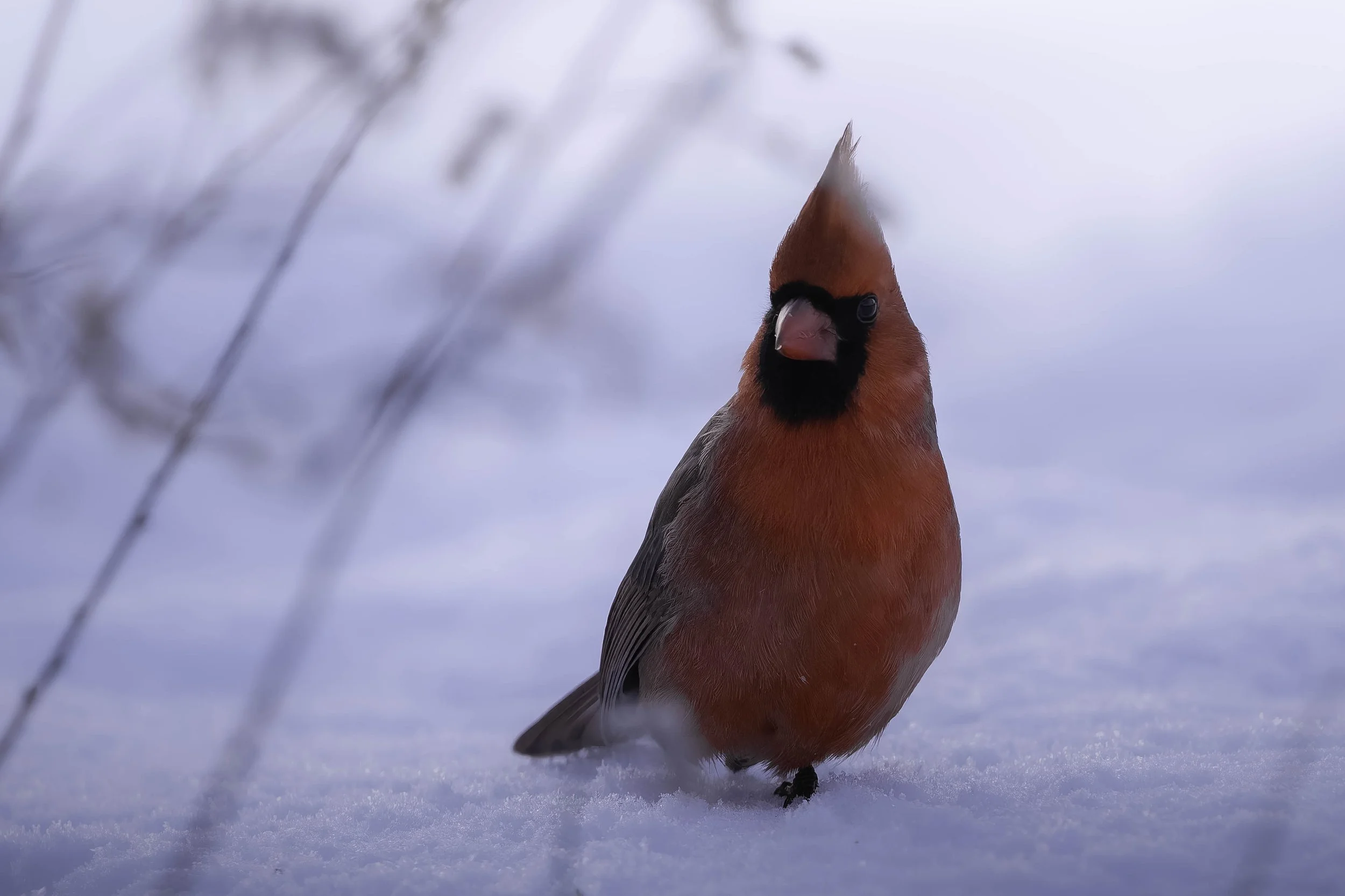
A bright presence in the stillness of winter.
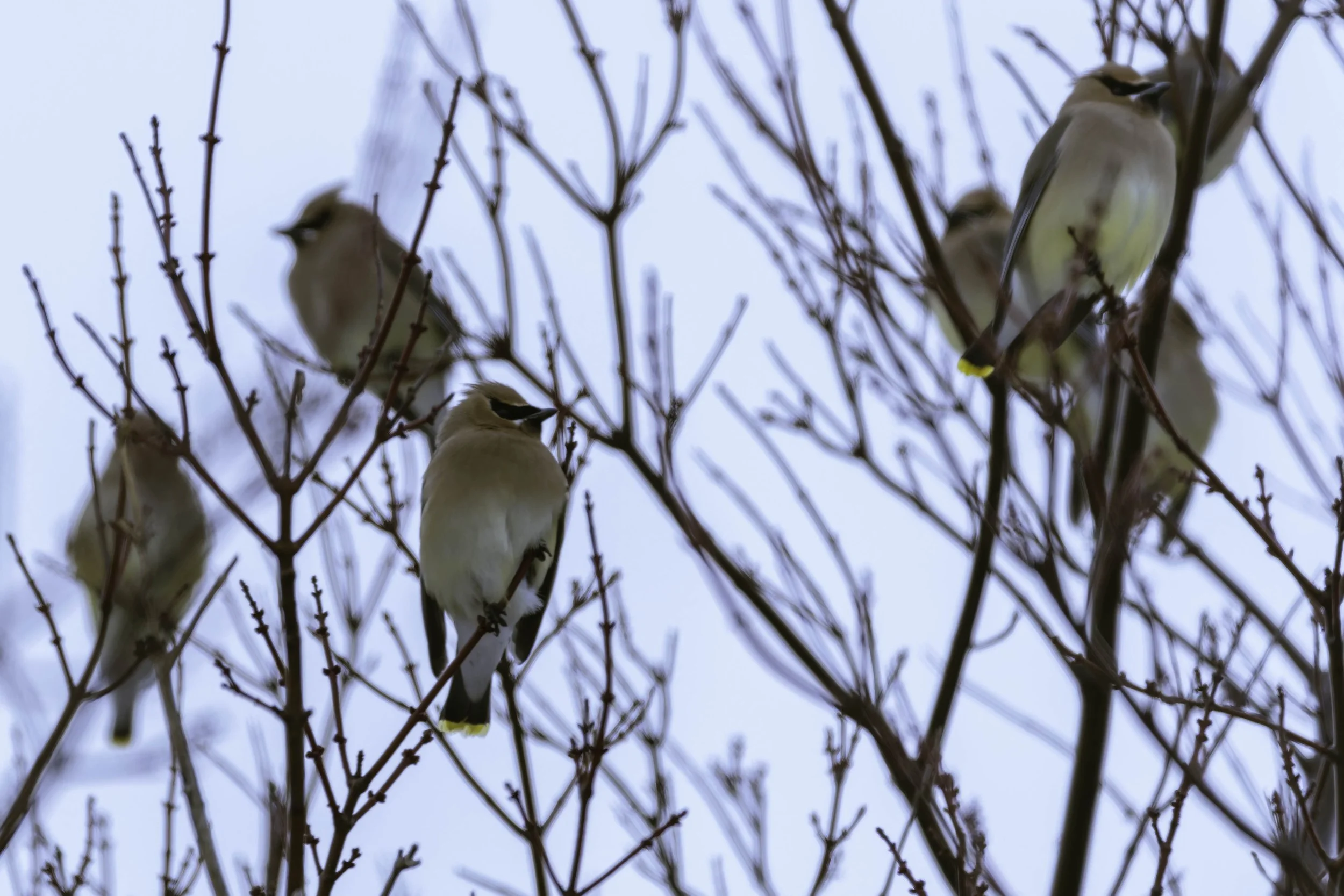
Together, they move through winter.
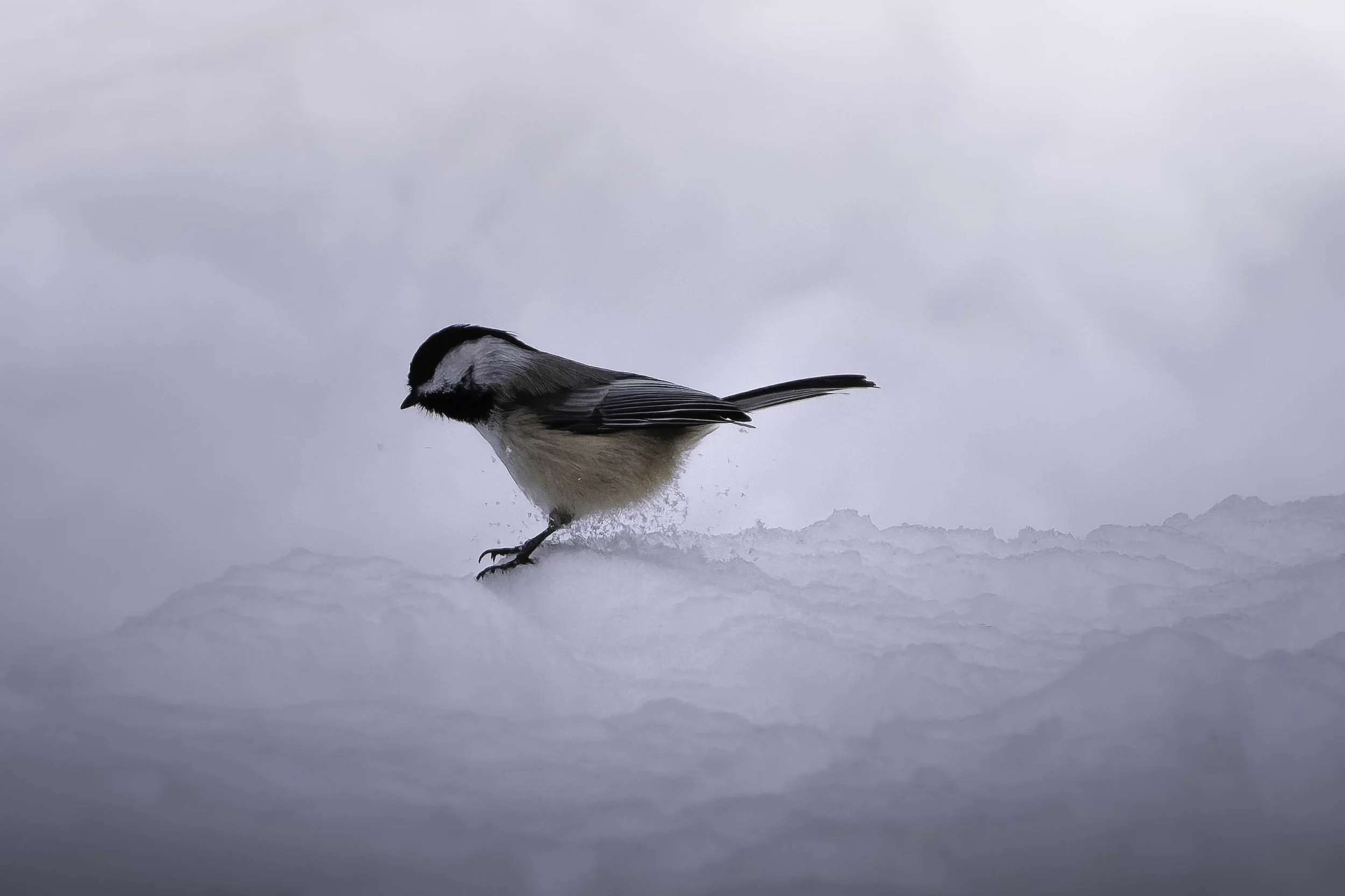
Small, but never still.
Experience the quiet resilience of birds in winter as they adapt to cold temperatures, snow-covered landscapes, and limited food sources. This short wildlife film captures real moments of winter bird behavior — feeding, resting, and surviving. Watch how nature continues, even in the stillness of the cold season.